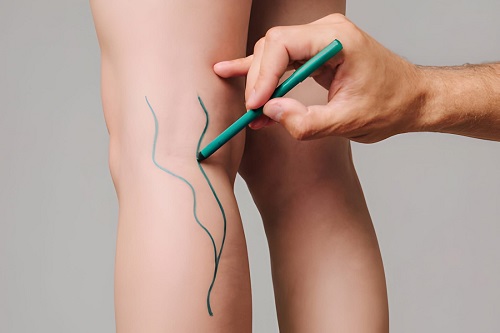
Best Vascular Surgeon in Vile Parle, Mumbai
Vascular conditions affect the arteries and veins that carry blood throughout the body. When blood flow gets reduced or a vein becomes damaged, it can bring on symptoms like leg pain, swelling , stubborn wounds that do not heal, varicose veins, and those annoying circulation troubles. Best Vascular Surgeon in Vile Parle, Mumbai. Getting an early check up with a vascular specialist really does matter, because it can show the real cause and help guide treatment the right way rather than just guessing.
Dr. Ganesh Deogaonkar is an Endovascular Specialist, with more than 18 years of experience in minimally invasive, image guided care for vascular problems. He finished his medical training in India, then moved for advanced fellowship training at Guy’s and St Thomas’ NHS Foundation Trust, London, and later worked there as a Consultant. Today he serves as the Associate Director – Vascular & Interventional Radiology at Nanavati Max Super Speciality Hospital, Mumbai, where he offers advanced care for a wide range of vascular disorders. Read More-.
A vascular specialist figures things out and then handles concerns linked to the blood vessels, excluding those of the heart and brain. In day to day practice, the care approach is built around the patients symptoms, their medical history , and whatever diagnostic results show up. Depending on what’s happening, treatment might mean lifestyle changes, particular medications , low impact procedures or other suitable choices.
- Varicose veins
- Peripheral arterial disease (blocked leg arteries)
- Diabetic foot complications
- Gangrene related to poor circulation
- Deep vein thrombosis (DVT)
- Leg vein clots
- Aortic aneurysm and aortic dissection
- Benign prostate enlargement treated with Prostate Artery Embolisation (PAE)
- Uterine fibroids treated with Uterine Fibroid Embolisation (UFE)
- Varicocele treated with embolisation
- Leg pain while walking or at rest
- Swelling in one or both legs
- Visible or enlarged veins
- Persistent leg heaviness or discomfort
- Skin colour changes in the feet or legs
- Non-healing foot or leg wounds
- Cold feet or reduced circulation
- Numbness or weakness in the legs
- Sudden swelling associated with leg pain
- Foot ulcers, especially in people with diabetes
- Diabetes
- High blood pressure
- High cholesterol
- Smoking
- Obesity
- Increasing age
- Family history of vascular disease
- Lack of physical activity
- Long periods of sitting or standing
- Previous blood clots or vascular injury
- Medication
- Lifestyle and risk-factor management
- Image-guided minimally invasive procedures
- Endovascular treatment for blocked arteries
- Varicocele embolisation
- Varicose vein treatment
- Deep vein thrombosis management
- Aortic interventions, when appropriate
- Prostate Artery Embolisation (PAE)
- Uterine Fibroid Embolisation (UFE)
Dr. Ganesh Deogaonkar is the Associate Director – Vascular & Interventional Radiology at Nanavati Max Super Speciality Hospital, Vile Parle West, Mumbai, Best Vascular Surgeon in Vile Parle, Mumbai where he does evaluation and minimally invasive care for a broad set of vascular problems. Now, if you’re dealing with symptoms related to varicose veins , blocked leg arteries, diabetic foot , deep vein thrombosis (DVT), gangrene, or other blood vessel disorders, a timely consult can help identify the most suitable treatment pathway. For booking an appointment with Dr. Ganesh Deogaonkar, call +91 90047 42438 and contact the clinic to schedule a consultation.
Q.1. What is a vascular specialist?
Ans - A vascular specialist diagnoses and treats diseases affecting arteries and veins using medical, minimally invasive, and image-guided treatment approaches where appropriate.
Q.2. When should I see a vascular specialist?
Ans - If you have leg pain, swelling, varicose veins, poor circulation, diabetic foot problems, non-healing wounds, or have been diagnosed with a vascular condition, a vascular evaluation may be beneficial.
Q.3. Are all vascular conditions treated with surgery?
Ans - No. Many vascular conditions can be managed with medications, lifestyle changes, or minimally invasive endovascular procedures, depending on the diagnosis.
Q.4. What is an endovascular procedure?
Ans - Endovascular procedures are image-guided treatments performed through small skin punctures using catheters, without the need for large surgical incisions in many cases.
Q.5. Can diabetic foot problems be related to poor circulation?
Ans - Yes. Reduced blood flow can contribute to delayed wound healing in some people with diabetes. A vascular assessment can help determine whether circulation is a contributing factor.
Q.6. How is vascular disease diagnosed?
Ans - Vascular disease is diagnosed through a medical history, physical examination, and imaging tests such as Doppler ultrasound, CT angiography, or MR angiography. Your doctor may recommend additional tests depending on your symptoms and medical condition.
Q.7. Do varicose veins always require surgery?
Ans - No. Many people with varicose veins can be treated using minimally invasive procedures or other non-surgical treatment options, depending on the severity of the condition and the patient's overall health. Your vascular specialist will recommend the most appropriate treatment after evaluation.
Q.8. What is Peripheral Arterial Disease (PAD)?
Ans - Peripheral Arterial Disease (PAD) is a condition in which the arteries supplying blood to the legs become narrowed or blocked, reducing blood flow. Common symptoms include leg pain while walking, numbness, slow-healing wounds, or cold feet. Early diagnosis and appropriate treatment can help manage the condition and reduce the risk of complications.
Nanavati Max Hospital | Vile Parle West | LIC Colony | Suresh Colony | Andheri | Mumbai