Best Vascular Surgeon in Andheri, Mumbai
Vascular conditions mess up the arteries and veins that really help blood go around throughout the body.Best Vascular Surgeon in Andheri, Mumbai. When the blood circulation is reduced, or the blood vessels get damaged, then it can cause symptoms like leg pain, swelling, varicose veins, wounds that don’t heal, diabetic foot issues, or just poor circulation overall. Getting checked early by a vascular specialist can make it easier to spot what’s underneath, and then choose the treatment plan that fits best.
Dr. Ganesh Deogaonkar is an Endovascular Specialist, with more than 18 years of experience in minimally invasive, image guided care for vascular problems. He finished his medical training in India, then moved for advanced fellowship training at Guy’s and St Thomas’ NHS Foundation Trust, London, and later worked there as a Consultant. Today he serves as the Associate Director – Vascular & Interventional Radiology at Nanavati Max Super Speciality Hospital, Mumbai, where he offers advanced care for a wide range of vascular disorders. Read More-.
A vascular specialist diagnoses, and handles the issues involving the bodies arteries and veins, but not the blood vessels belonging to the heart and brain. The approach depends on what the patient says, their medical past, what’s seen during the physical examination, and what the imaging results show. From there, based on the specific diagnosis, care might range from lifestyle adjustments and drugs, to less invasive procedures, or other suitable options that fit the case. Sometimes the plan is sort of adjusted along the way, but it still centers on those key factors.
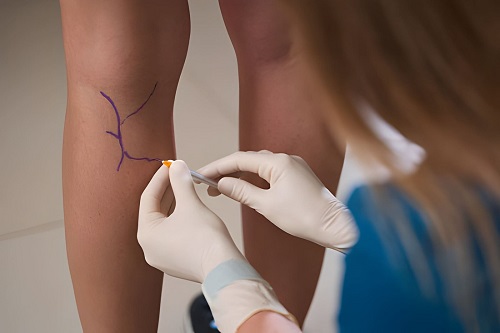
- Varicose veins
- Peripheral arterial disease (blocked leg arteries)
- Diabetic foot complications
- Gangrene related to poor circulation
- Deep vein thrombosis (DVT)
- Leg vein clots
- Aortic aneurysm and aortic dissection
- Benign prostate enlargement treated with Prostate Artery Embolisation (PAE)
- Uterine fibroids treated with Uterine Fibroid Embolisation (UFE)
- Varicocele treated with embolisation
- Pain in the legs while walking or at rest
- Swelling in one or both legs
- Visible or enlarged veins
- Heaviness or aching in the legs
- Cold feet or reduced circulation
- Skin discoloration of the legs or feet
- Non-healing wounds or ulcers
- Numbness or weakness in the legs
- Diabetic foot ulcers
- Sudden swelling associated with leg pain
- Diabetes
- High blood pressure
- High cholesterol
- Smoking
- Obesity
- Increasing age
- Family history of vascular disease
- Lack of physical activity
- Long periods of sitting or standing
- Previous blood clots or vascular injury
- Medical history and physical examination
- Doppler Ultrasound
- CT Angiography
- MR Angiography
- Blood investigations
- Ankle-Brachial Index (ABI)
- Additional imaging when clinically indicated
- Medication
- Lifestyle and risk-factor management
- Image-guided minimally invasive procedures
- Endovascular treatment for blocked arteries
- Varicocele embolisation
- Varicose vein treatment
- Deep vein thrombosis management
- Aortic interventions, when appropriate
- Prostate Artery Embolisation (PAE)
- Uterine Fibroid Embolisation (UFE)
If you are trying to find the Best Vascular Surgeon in Andheri, Mumbai, Dr. Ganesh Deogaonkar offers a full, kind of in depth evaluation and then minimally invasive treatments for many vascular conditions. He is the Associate Director – Vascular & Interventional Radiology at Nanavati Max Super Speciality Hospital, Vile Parle West, Mumbai, so his approach is evidence driven, but still patient centred, matched to the needs of each person in a very practical way. If you want to set up a consultation, give a call at +91 90047 42438 and reach out to the clinic for the appointment.
Q.1. What is a vascular specialist?
Ans - A vascular specialist diagnoses and treats diseases affecting arteries and veins using medical, minimally invasive, and image-guided treatment approaches where appropriate.
Q.2. When should I see a vascular specialist?
Ans - If you have leg pain, swelling, varicose veins, poor circulation, diabetic foot problems, non-healing wounds, or have been diagnosed with a vascular condition, a vascular evaluation may be beneficial.
Q.3. Are all vascular conditions treated with surgery?
Ans - No. Many vascular conditions can be managed with medications, lifestyle changes, or minimally invasive endovascular procedures, depending on the diagnosis.
Q.4. What is an endovascular procedure?
Ans - Endovascular procedures are image-guided treatments performed through small skin punctures using catheters, without the need for large surgical incisions in many cases.
Q.5. Can diabetic foot problems be related to poor circulation?
Ans - Yes. Reduced blood flow can contribute to delayed wound healing in some people with diabetes. A vascular assessment can help determine whether circulation is a contributing factor.
Q.6. How is vascular disease diagnosed?
Ans - Vascular disease is diagnosed through a medical history, physical examination, and imaging tests such as Doppler ultrasound, CT angiography, or MR angiography. Your doctor may recommend additional tests depending on your symptoms and medical condition.
Q.7. Do varicose veins always require surgery?
Ans - No. Many people with varicose veins can be treated using minimally invasive procedures or other non-surgical treatment options, depending on the severity of the condition and the patient's overall health. Your vascular specialist will recommend the most appropriate treatment after evaluation.
Q.8. What is Peripheral Arterial Disease (PAD)?
Ans - Peripheral Arterial Disease (PAD) is a condition in which the arteries supplying blood to the legs become narrowed or blocked, reducing blood flow. Common symptoms include leg pain while walking, numbness, slow-healing wounds, or cold feet. Early diagnosis and appropriate treatment can help manage the condition and reduce the risk of complications.
Nanavati Max Hospital | Vile Parle West | LIC Colony | Suresh Colony | Andheri | Mumbai