Best Doctor for Blocked Leg Arteries in Andheri, Mumbai
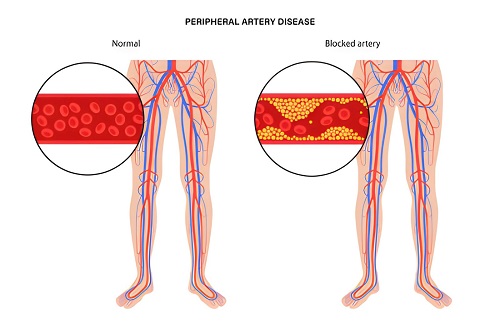
Blocked leg arteries, also called Peripheral Artery Disease , PAD, usually start when fatty deposits, named plaque, begin to build up inside the arteries that supply blood to your legs. Best Doctor for Blocked Leg Arteries in Andheri, Mumbai. Once the blood supply drops too much, some people start to feel aching or cramping in the legs while walking , they may also get numbness, or see sores that take longer than usual to settle and heal. In the more severe phase, there can even be tissue injury and limb-threatening complications, not to mention how serious things can become.
Now if you’re looking for the Best Doctor for Blocked Leg Arteries in Andheri, Mumbai, Dr. Ganesh Deogaonkar provides modern, minimally invasive endovascular treatment. This care may involve angioplasty and atherectomy, so circulation can return in a steadier, healthier way, and so patients can often avoid a bigger open surgery, when it’s reasonably possible. Read More-
Dr. Ganesh Deogaonkar is an Endovascular Specialist with over 18 years of experience in minimally invasive, image-guided vascular care. He holds DNB, PDCC, FRCR (London), EBIR (Vienna), and FVIR (GSTT, London) qualifications. He completed advanced fellowship training at Guy's and St Thomas' NHS Foundation Trust, London, where he also served as a Consultant before returning to India.
He is currently the Associate Director – Vascular & Interventional Radiology at Nanavati Max Super Speciality Hospital, Vile Parle West, Mumbai. He specializes in the minimally invasive treatment of varicose veins, diabetic foot, peripheral arterial disease, deep vein thrombosis (DVT), blocked leg arteries, aortic disorders, and other complex vascular conditions using advanced image-guided endovascular techniques.
Peripheral Artery Disease PAD happens little by little, when cholesterol and fatty build up slowly narrow or block the arteries that send blood to the legs. With less blood flow , the muscles and tissues end up getting less oxygen, so you might notice aching while walking, less movement than before, wounds that take longer to close, and a higher chance of infection.
If things are not handled in time, serious PAD can turn into chronic ulcers, gangrene, or even a need for limb removal.The good news is that today’s low impact options like angioplasty and atherectomy can bring circulation back again, usually without open surgery.
- Pain while walking (claudication)
- Leg cramps during activity
- Numbness in the legs
- Cold feet or toes
- Weak pulse in the legs
- Difficulty walking
- Burning sensation in the feet
- Non-healing wounds
- Foot ulcers
- Hair loss on the legs
- Shiny skin
- Gangrene
- Atherosclerosis
- High cholesterol
- Diabetes
- Smoking
- High blood pressure
- Obesity
- Sedentary lifestyle
- Increasing age
- Family history
- Chronic kidney disease
- Men above 50 years
- Diabetes mellitus
- Smoking
- High cholesterol
- Previous heart attack
- Hypertension
- Obesity
- Lack of exercise
- Family history of vascular disease
- Previous stroke
- Physical examination
- Pulse examination
- Ankle-Brachial Index (ABI)
- Colour Doppler Ultrasound
- CT Angiography
- MR Angiography
- Digital Subtraction Angiography (DSA)
- Blood investigations
Treatment for Blocked Leg Arteries (Peripheral Artery Disease - PAD) depends on the severity of the blockage and the patient's overall health. In the early stages, lifestyle modifications, regular exercise, smoking cessation, diabetes control, cholesterol-lowering medications, and blood-thinning medicines may help slow disease progression and improve circulation.
When the blockage is significant or symptoms persist despite medical treatment, minimally invasive endovascular procedures such as angioplasty and atherectomy are recommended. Angioplasty uses a small balloon to widen narrowed arteries and restore blood flow, while atherectomy removes plaque buildup from the artery using specialised devices. These advanced image-guided treatments help relieve leg pain, improve walking ability, promote wound healing, reduce the risk of gangrene, and lower the chances of limb amputation. Most patients experience a quicker recovery with minimal discomfort compared to conventional surgery.
- Restores healthy blood circulation
- Reduces leg pain
- Improves walking distance
- Promotes wound healing
- Prevents gangrene
- Reduces amputation risk
- Improves mobility
- Better quality of life
- Quick recovery
- Minimally invasive treatment
Recovery after minimally invasive PAD treatment is generally quick. Most patients are encouraged to walk within a few hours after the procedure and may return home on the same day or the following day. Normal daily activities can usually be resumed within a few days, depending on the extent of the procedure and overall health. Following medications, regular follow-up visits, exercise, and lifestyle changes helps maintain healthy blood flow and reduces the risk of future artery blockages.
Dr. Ganesh Deogaonkar is an experienced Endovascular Specialist with over 18 years of expertise in diagnosing and treating Peripheral Artery Disease (PAD) and blocked leg arteries using advanced minimally invasive techniques. He has completed prestigious international fellowship training at Guy's and St Thomas' NHS Foundation Trust, London, and currently serves as the Associate Director of Vascular & Interventional Radiology at Nanavati Max Super Speciality Hospital, Mumbai.
Using advanced image-guided procedures such as angioplasty and atherectomy, Dr. Ganesh Deogaonkar focuses on restoring healthy blood circulation, relieving leg pain, promoting wound healing, improving mobility, and reducing the risk of limb loss. Patients from Andheri, Vile Parle, Santacruz, Jogeshwari, Juhu, and across Mumbai choose him for personalised vascular care, accurate diagnosis, and comprehensive treatment with faster recovery and minimal discomfort.
Early diagnosis and timely treatment of blocked leg arteries can restore healthy blood circulation, relieve pain, improve mobility, and reduce the risk of serious complications. If you are experiencing symptoms of Peripheral Artery Disease (PAD), consult Dr. Ganesh Deogaonkar for expert evaluation and advanced minimally invasive vascular treatment.Best Doctor for Blocked Leg Arteries in Andheri, Mumbai,
Dr. Ganesh Deogaonkar provides advanced minimally invasive treatment for blocked leg arteries using angioplasty and atherectomy. His goal is to restore blood flow, relieve symptoms, improve mobility, and help patients return to their daily activities with faster recovery and long-term vascular health.Call +91 90047 42438 to schedule your consultation.
Q.1. What are blocked leg arteries?
Ans - Blocked leg arteries, also known as Peripheral Artery Disease (PAD), occur when plaque narrows or blocks the arteries supplying blood to the legs.
Q.2. What causes blocked leg arteries?
Ans - The most common cause is atherosclerosis due to cholesterol buildup. Smoking, diabetes, high blood pressure, and high cholesterol increase the risk.
Q.3. What is angioplasty?
Ans -Angioplasty is a minimally invasive procedure that opens narrowed arteries using a small balloon and, when necessary, a stent.
Q.4. What is atherectomy?
Ans - Atherectomy is an advanced procedure that removes plaque from blocked arteries using specialised devices to improve blood flow.
Q.5. Is surgery always required?
Ans - No. Many patients can be successfully treated with minimally invasive angioplasty or atherectomy without open surgery.
Q.6. How long is the recovery?
Ans - Most patients return to normal daily activities within a few days after treatment.
Q.7. Can blocked leg arteries lead to amputation?
Ans - If left untreated, severe PAD can lead to non-healing ulcers, gangrene, and an increased risk of limb amputation.
Q.8. When should I consult a vascular specialist?
Ans - You should seek medical evaluation if you have leg pain while walking, cold feet, numbness, non-healing wounds, or symptoms suggestive of poor blood circulation.
Nanavati Max Hospital | Vile Parle West | LIC Colony | Suresh Colony | Andheri | Mumbai