Best Aorta Aneurysm and Dissection Doctor in Andheri, Mumbai
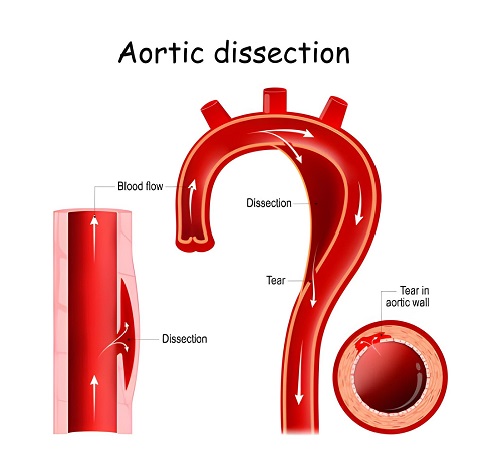
Aortic aneurysm and aortic dissection are both serious problems involving the aorta, which is the biggest artery in the body, carrying oxygen enriched blood from the heart to the rest of the organs. Best Aorta Aneurysm and Dissection Doctor in Andheri, Mumbai. In an aortic aneurysm, a weakened bit of the aortic wall slowly enlarges or bulges out. In contrast an aortic dissection happens when a tear forms in the inner lining, and then blood starts moving between the layers of the vessel wall, kinda like it slips in there. Both conditions really need quick recognition and expert management so the odds of life threatening complications go down.
If you are looking for the Best doctor for aorta aneurysm and dissection in Andheri, Mumbai, Dr. Ganesh Deogaonkar offers a thorough checkup along with advanced, minimally invasive treatment for aortic disorders. He uses modern imaging methods and evidence based endovascular techniques, and then builds a custom plan based on what the patient has going on, the aneurysm size, where it is located, and the person’s overall health. Read More-
Dr. Ganesh Deogaonkar is an Endovascular Specialist with over 18 years of experience in minimally invasive, image-guided vascular care. He holds DNB, PDCC, FRCR (London), EBIR (Vienna), and FVIR (GSTT, London) qualifications. He completed advanced fellowship training at Guy's and St Thomas' NHS Foundation Trust, London, where he also served as a Consultant before returning to India.
He is currently the Associate Director – Vascular & Interventional Radiology at Nanavati Max Super Speciality Hospital, Vile Parle West, Mumbai. He specializes in the minimally invasive treatment of varicose veins, diabetic foot, peripheral arterial disease, deep vein thrombosis (DVT), blocked leg arteries, aortic disorders, and other complex vascular conditions using advanced image-guided endovascular techniques.
An aortic aneurysm, it is basically an abnormal enlargement— like a bulge— of the aorta that happens because the artery wall gets weak over time. When that aneurysm keeps growing, the danger that it will rupture also goes up, and rupture can trigger severe internal bleeding. A lot of aneurysms seem to appear gradually, so they might not cause any symptoms until they’re pretty large, or right before they rupture. Getting an early diagnosis can enable timely care and it often meaningfully improves overall outcomes.
An aortic aneurysm, it is basically an abnormal enlargement— like a bulge— of the aorta that happens because the artery wall gets weak over time. When that aneurysm keeps growing, the danger that it will rupture also goes up, and rupture can trigger severe internal bleeding. A lot of aneurysms seem to appear gradually, so they might not cause any symptoms until they’re pretty large, or right before they rupture. Getting an early diagnosis can enable timely care and it often meaningfully improves overall outcomes.